
Tip & Trick
Microsoft’s file naming conventions can make or break your workflow efficiency. Follow these 10 best practices to organize files like a pro, avoid errors in SharePoint, and ensure seamless compatibility across Windows, Office, and OneDrive.
Use lowercase letters exclusively for filenames
Ever struggled to open a file because of a case-sensitivity error in Windows? Microsoft’s official recommendation is simple: use lowercase letters exclusively for filenames to avoid compatibility issues across devices and file systems.
Windows NTFS and network drives don’t handle uppercase letters consistently, which can cause errors when sharing files between Windows, macOS, or Linux systems. For example, Report.docx and report.docx might be treated as separate files, leading to confusion. Microsoft’s guidelines emphasize lowercase to ensure universal compatibility and prevent metadata corruption in SharePoint or OneDrive.
This rule is especially critical for teams collaborating across platforms. Stick to lowercase, and you’ll eliminate hidden errors in file operations, automated scripts, and cloud syncing. ⚡
Replace spaces with hyphens or underscores

Ever hit "Send" on an email attachment, only to get a bounce-back because Outlook couldn’t handle the filename? Spaces in filenames cause headaches across SharePoint, URLs, and automated scripts—and Microsoft’s tools aren’t always forgiving. Hyphens (-) or underscores () keep everything running smoothly while staying readable.
Hyphens are the web-friendly choice (e.g., Q2-Revenue-Report-2024.pdf), while underscores (Q2RevenueReport2024.pdf) work better in scripting environments. Both avoid URL-breaking spaces and sync issues in OneDrive/SharePoint. Plus, they’re universally supported—no surprises when sharing files across teams or platforms.
This rule is a must for developers, marketers, and enterprise teams collaborating on shared drives. A simple tweak now saves hours of debugging later. ✨
Limit filenames to 255 characters or fewer
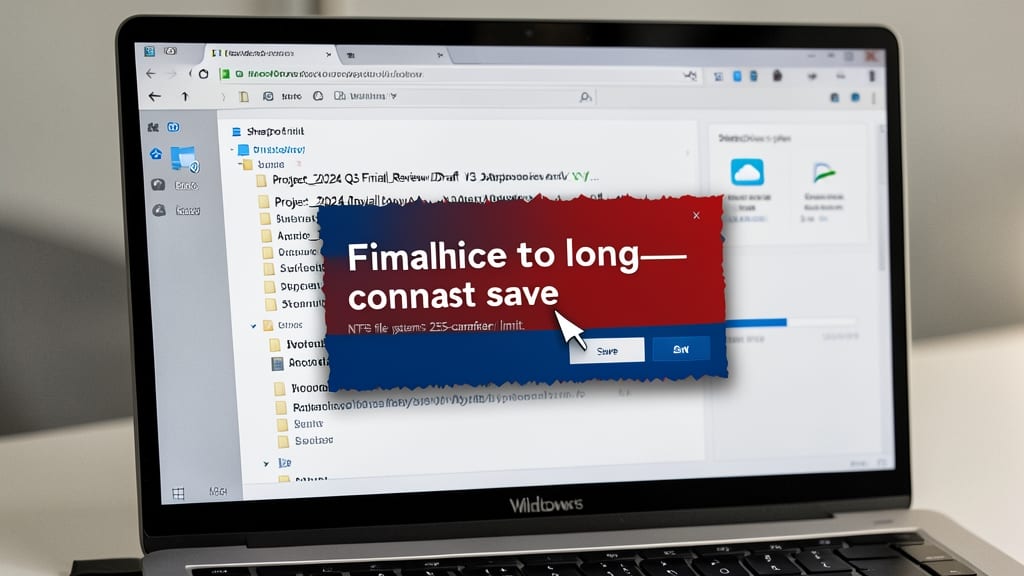
Ever hit "Save" only to see a cryptic error pop up about filename length? Microsoft’s NTFS file system enforces a strict 255-character limit—exceeding it breaks file operations, SharePoint libraries, and OneDrive syncs. This isn’t just a technicality; it’s a showstopper for enterprise teams managing thousands of files.
Stick to 255 characters or fewer to avoid corrupted metadata, failed uploads, or sync conflicts. Tools like SharePoint and OneDrive enforce this limit even stricter, often rejecting files silently or truncating names mid-transfer. For example, a filename like "2024-Q3FinancialReviewAmendmentsv2Approvedby_Stakeholders.docx" (256 chars) will fail—trim it to stay compliant.
This rule is non-negotiable for IT admins, project managers, and large teams sharing files across Windows, SharePoint, and cloud services. A quick audit of your longest filenames could save hours of debugging. ⚡
Avoid special characters except underscores and hyphens

Ever hit "Save" only to watch your file refuse to upload to SharePoint—or worse, corrupt during transfer? Special characters like @, #, or $ are the culprits behind these headaches. Microsoft’s systems (including OneDrive, SharePoint, and Power Automate) choke on anything outside alphanumeric characters, underscores (), and hyphens (-)—even if your local machine lets it slide.
Stick to A-Z, 0-9, underscores, and hyphens to guarantee smooth operations. Automated scripts (like PowerShell or Python) will fail silently on unsupported characters, while cloud services may reject files entirely. Even email attachments can get mangled if filenames contain &, %, or /. The fix? Treat filenames like URLs—simple, predictable, and universally safe.
This rule is non-negotiable for enterprise teams, developers, and anyone sharing files across platforms. A filename like Project2024Q1Final.pdf works everywhere—whereas Project@2024#Q1$Final.pdf risks becoming a tech support nightmare. ⚡
Include dates in YYYY-MM-DD format for chronological sorting

Struggling to find that critical document buried in a folder of similarly named files? The solution is simpler than you think—YYYY-MM-DD dates in your filenames. This format isn’t just a suggestion; it’s a game-changer for legal teams, financial analysts, and project managers who rely on chronological order to stay organized.
Windows Explorer, SharePoint, and Outlook all recognize this format as a sorting priority, automatically arranging files from oldest to newest. Unlike ambiguous formats like MM-DD-YYYY (which sorts by month first), the YYYY-MM-DD structure ensures accuracy—even when mixed with other text. For example, 2024-05-15Contract.docx will always appear before 2024-05-20Amendment.docx, no matter how many files you add.
This is especially valuable for audit trails, compliance documentation, or milestone-based projects where dates dictate workflows. Legal and finance professionals swear by it to maintain an unbreakable chain of evidence. ✨
Prefix files with project codes or department names
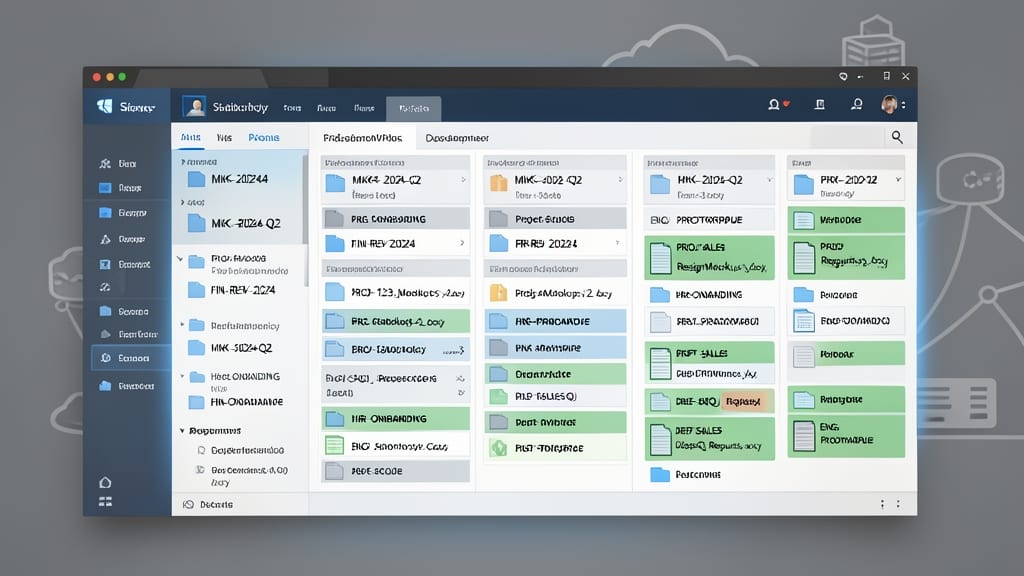
When multiple teams or departments share the same drive, finding files becomes a nightmare—unless you use project codes or department prefixes. This simple trick instantly groups related files, making collaboration in SharePoint, OneDrive, or network drives effortless.
Start with a clear prefix like MKT-2024-Q1-Report.docx (Marketing, Q1 2024) or FIN-2024-Tax-Final.pdf (Finance). This ensures files sort logically in folders and filters work flawlessly, saving hours of manual searches. For cross-department projects, use hyphenated codes (e.g., HR-PAY-2024) to avoid confusion.
This method is a game-changer for enterprise teams, agencies, and legal firms where files are constantly shared across departments. Try it on your next project—your future self will thank you. ✨
Use consistent file extensions (.docx vs. .pdf)

Ever opened a file only to realize it’s the wrong version because the extension was inconsistent? Using .docx for Word files and .pdf for final versions eliminates this confusion—especially in shared drives like SharePoint.
Microsoft’s Office Suite and SharePoint rely on file extensions to determine compatibility. A .docx ensures editable Word formatting, while .pdf locks in finalized layouts. Mixing them up (e.g., saving as .docx when you meant .pdf) risks corrupted edits or formatting loss—critical for version control.
Teams collaborating on proposals or contracts will appreciate this clarity. Stick to one extension per file type, and you’ll save hours troubleshooting file issues. ✨
Avoid leading/trailing spaces or periods

Ever spent hours debugging a script or SharePoint sync issue only to realize a sneaky space or period was the culprit? Microsoft explicitly warns against leading/trailing spaces or periods in filenames—they can silently corrupt metadata, break automated workflows, and trigger cryptic errors in file operations.
These invisible characters cause issues like failed SharePoint metadata indexing, broken PowerShell scripts, and corrupted file transfers. For example, a filename like ".hidden_file.txt" might appear normal but fails to sync properly in OneDrive or break when referenced in a script. Microsoft’s NTFS and cloud services treat these as invalid prefixes/suffixes, leading to silent failures.
Developers, IT admins, and teams managing automated workflows should audit existing files for hidden spaces or periods—tools like PowerShell’s Get-ChildItem can reveal them. A quick cleanup prevents headaches down the line. ✨
Use version numbers (v1, v2) instead of ‘Final’

Calling all team leads and project managers: "Final" isn’t a version—it’s a myth. In collaborative environments, version numbers (v1, v2, etc.) are the gold standard for tracking revisions, especially when paired with SharePoint versioning and Office Suite history features.
Why? Because v1, v2, and v3 integrate flawlessly with SharePoint’s built-in version control, allowing teams to restore previous drafts instantly. Unlike vague labels like "Final," numeric versions also sync perfectly with OneDrive’s version history and Word/Excel’s auto-save features, ensuring no work is lost. Plus, they’re universally understood across departments—no more guessing whether "DraftFinal2.docx" is actually final.
This rule is a game-changer for legal teams, marketing agencies, and dev squads where multiple stakeholders review files. Stick to v1, v2, v3—your future self (and your team) will thank you. ✨
Test filenames in SharePoint and OneDrive first

Before uploading files to SharePoint or OneDrive, test them in a sandbox environment first—Microsoft’s cloud services silently reject filenames that trigger hidden errors. Unlike local storage, these platforms enforce stricter validation rules that can corrupt metadata or block syncs entirely.
Use the Microsoft 365 preview feature to catch issues like unsupported characters, reserved names (e.g., "CON," "PRN"), or filenames exceeding 255 characters—even if your local OS allows them. SharePoint’s metadata indexing also fails if filenames contain leading/trailing spaces or special symbols, causing search and collaboration tools to misbehave.
Teams managing shared libraries or automated workflows benefit most from this step—it prevents costly rework when files vanish mid-upload or break approval processes. ⚡