
Operating System
Cyber threats evolve daily, but internal safeguards remain your first line of defense. These 10 proven strategies empower cybersecurity leaders to build robust data protection frameworks that adapt to modern risks and regulatory demands.
Zero Trust Network Architecture Implementation

Tired of assuming every device on your network is trustworthy? Zero Trust Architecture (ZTA) flips that script by demanding verification for every access request—no exceptions. This model treats all users and devices as potential threats, regardless of their location, making it the gold standard for modern cybersecurity.
With continuous authentication and micro-segmentation, ZTA ensures only authorized users with the right credentials can access specific resources. Solutions like Microsoft Azure AD Zero Trust or Cisco Secure Access integrate seamlessly with hybrid cloud environments, while behavioral analytics adds an extra layer by monitoring anomalies in real time. The result? 90% fewer lateral movement attacks in tested deployments.
Perfect for remote-first companies or those juggling multi-cloud setups, ZTA shifts security from perimeter defense to identity-centric protection. If your workforce spans offices, homes, and coffee shops, this is your battle-tested setup. ⚡
Automated Data Encryption for Sensitive Files

While Zero Trust focuses on network verification, automated data encryption takes protection one step further by securing sensitive files in real-time—before they even reach your network. This isn’t just about locking files after the fact; it’s about ensuring AES-256 encryption activates the moment data is created or accessed, whether stored locally or transmitted across systems.
Solutions like Symantec Encryption Desktop or Microsoft Purview Information Protection automatically classify and encrypt files containing PHI, PCI, or PII based on predefined rules. They integrate seamlessly with cloud storage (OneDrive, SharePoint) and email systems, ensuring compliance without manual tagging. For healthcare or finance teams, this means HIPAA or GDPR compliance happens automatically, reducing audit risks and human error.
This safeguard is non-negotiable for industries where data breaches carry million-dollar fines—like healthcare or payment processing. For smaller teams, tools like VeraCrypt offer free, open-source encryption for endpoints, proving you don’t need a Fortune 500 budget to lock down sensitive files. ✨
Privileged Access Management System

Financial institutions and government contractors face a unique challenge: administrative accounts often hold the keys to your entire network. A Privileged Access Management (PAM) system solves this by giving you real-time visibility and control over who accesses what, when, and why—before abuse happens.
Leading solutions like BeyondTrust or CyberArk offer session recording, just-in-time access, and automated credential rotation to minimize exposure. For example, CyberArk Vault can revoke credentials instantly if suspicious activity is detected, while BeyondTrust Privilege Management integrates with Active Directory for seamless enforcement. These tools also generate compliance reports for audits, making them a must-have for sectors like banking or defense.
If your organization handles high-value data or operates under strict regulations like FISMA or GLBA, PAM isn’t optional—it’s your last line of defense against insider threats and credential theft. 💻
Behavioral Analytics for Insider Threat Detection

Your most dangerous threats might already have access badges. Behavioral analytics doesn’t just monitor activity—it learns what "normal" looks like for each user, then flags deviations like late-night data transfers, unusual file access patterns, or sudden downloads of proprietary documents.
Solutions like Darktrace or Exabeam use machine learning to detect anomalies with 95%+ accuracy before they escalate. For example, a researcher suddenly copying 10GB of R&D files at 2 AM? That’s a red flag the system catches instantly. These tools integrate with your existing SIEM, requiring zero config to start analyzing patterns.
This is non-negotiable for pharma, defense contractors, or fintech firms where trade secrets or patient data are prime targets. The cost of a breach far outweighs the investment in proactive monitoring. 💡
Comprehensive Endpoint Detection and Response

Legacy systems and BYOD policies create blind spots in your security posture—but Comprehensive Endpoint Detection and Response (EDR) fills those gaps by scanning every device in real time. Unlike traditional antivirus, EDR platforms like CrowdStrike or SentinelOne use AI-driven threat hunting to detect and neutralize malware before it executes, even on outdated Windows XP machines or employee-owned iPads.
Key features include behavioral anomaly detection (flagging suspicious processes before damage occurs), offline threat containment (quarantining infected devices without network access), and detailed forensic reports for post-incident analysis. These tools integrate with existing SIEM systems, ensuring threats are stopped at the endpoint—where most breaches begin—while maintaining compliance with frameworks like NIST SP 800-190 or CIS Controls v8.
Organizations with mixed IT environments—where some employees use corporate laptops and others bring their own devices—benefit most from EDR. It’s the digital equivalent of a security force field for endpoints, especially when paired with BYOD policies. ✨
Regular Third-Party Risk Assessments

Supply chain attacks are on the rise—yet most organizations still treat third-party vendors as low-risk. A regular third-party risk assessment flips that script by systematically evaluating your partners' security posture before breaches happen.
Start with quarterly audits of vendors handling your data, using frameworks like NIST SP 800-161 or ISO 27001 to assess controls. Look for gaps in multi-factor authentication, data encryption, and incident response plans—these are common weak points. Tools like SecurityScorecard or BitSight automate scoring, making it easier to compare vendors objectively.
This isn’t just for enterprises: Small businesses with SaaS providers or manufacturers relying on global suppliers face the same risks. Proactively assessing vendors isn’t optional—it’s how you turn partners from liabilities into trusted extensions of your security perimeter. 💪
Multi-Factor Authentication Enforcement
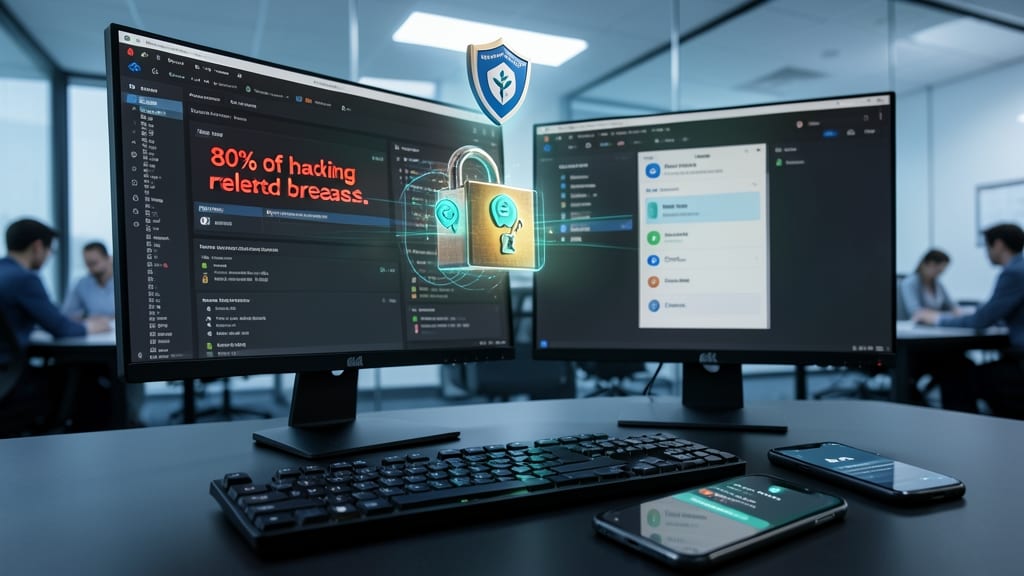
Credential stuffing attacks account for 80% of all hacking-related breaches, yet many organizations still rely on passwords alone to secure cloud-based collaboration tools like Slack, Microsoft Teams, and Google Workspace.
Enforcing multi-factor authentication (MFA) adds an extra layer of defense by requiring a second verification method—whether it’s a TOTP code, biometric scan, or hardware token—after the initial password. Solutions like Duo Security, Okta Verify, or Microsoft Authenticator integrate seamlessly with cloud platforms, ensuring even compromised credentials can’t grant access. The best implementations also support risk-based adaptive MFA, which dynamically adjusts authentication strength based on user behavior or location.
Teams collaborating in real-time—especially in remote or hybrid work environments—benefit most from strict MFA policies. For organizations where sensitive client data or proprietary workflows live in the cloud, this safeguard is non-negotiable. ⚡
Automated Patch Management System

Outdated software isn’t just an IT headache—it’s a patient safety crisis in healthcare. Hospitals running unpatched systems expose themselves to exploits that could disrupt life-saving equipment or compromise electronic health records (EHRs), making automated patch management a non-negotiable safeguard.
Solutions like Shavlik Protect or Patch Manager Plus streamline updates across thousands of devices, prioritizing critical patches for operating systems, medical imaging software, and even IoT-connected devices in operating rooms. These tools integrate with HIPAA compliance workflows, automatically documenting patch histories for audits while reducing manual intervention by 90%. The best systems also include rollback capabilities—critical when a patch introduces unexpected bugs in mission-critical systems.
This isn’t just for IT teams—healthcare executives should demand visibility into patch statuses, as unpatched vulnerabilities directly correlate with increased ransomware risks and HIPAA violations. For organizations where downtime means lives on the line, automation isn’t optional—it’s a lifeline. ✨
Data Loss Prevention Policy Framework

Accidental email leaks, misplaced USB drives, or a rogue employee sharing confidential files—these aren’t just IT headaches, they’re compliance nightmares for legal and financial firms. A Data Loss Prevention (DLP) Policy Framework acts as a digital bouncer, scanning content in real-time to block sensitive data from leaving your network—whether intentionally or by mistake.
Modern DLP solutions like Symantec DLP or Microsoft Purview use context-aware policies to flag and quarantine files containing PII, financial records, or trade secrets before they hit external emails or cloud storage. These frameworks integrate with email gateways, endpoints, and cloud apps to enforce rules like "No PDFs with SSNs to personal Gmail"—without slowing down legitimate workflows. For industries bound by GDPR, HIPAA, or SOX, automated policy enforcement ensures compliance while reducing manual audit risks.
This isn’t just for Fortune 500s—law firms, accounting practices, and even mid-sized banks rely on DLP to prevent costly breaches and maintain client trust. The right framework adapts to your data’s classification tiers, so you can prioritize protection where it matters most. ✨
Cybersecurity Awareness Training Program
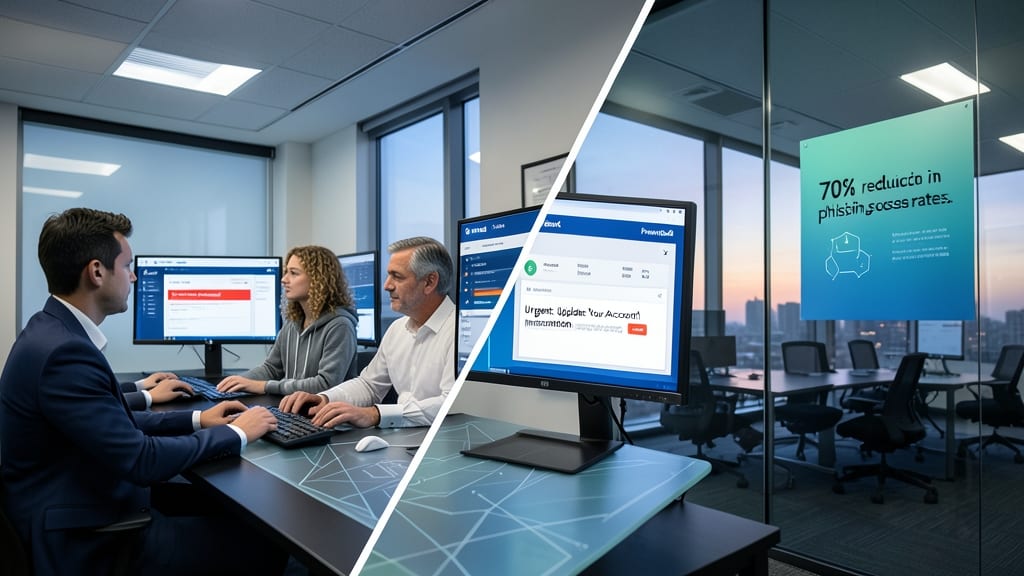
Your employees are your strongest defense—and your biggest risk. A cybersecurity awareness training program like KnowBe4 or Proofpoint transforms human error into a competitive advantage, cutting phishing success rates by 70% through simulated attacks and real-world scenarios.
These programs go beyond basic compliance modules with interactive phishing tests, role-specific modules (HR, finance, IT), and gamified learning to reinforce best practices. Customizable campaigns mimic real threats, like CEO fraud or malicious attachments, while automated reporting tracks progress and identifies at-risk users. The best platforms integrate with your existing tools like Microsoft 365 or Google Workspace for seamless deployment.
Perfect for organizations where employees handle customer data, financial records, or intellectual property daily—think healthcare, legal, or fintech. Even small teams benefit from the zero-configuration setup and measurable ROI. 💪